LEAVE-IN HAIR SERUM·FREE SHIPPING ALWAYS·FIND YOUR FORMULA·LEAVE-IN HAIR SERUM·FREE SHIPPING ALWAYS·FIND YOUR FORMULA·
← BACK TO JOURNAL
INGREDIENTS · 3 MIN READ

By Get Glazy · Updated September 10, 2026

Hydrolyzed proteins in hair care: what they can do
Hydrolyzed proteins in hair care: what they can do

Protein ingredients can help condition hair. Their presence is not proof that a serum permanently rebuilds damaged strands.

Hair cosmetics may contain hydrolyzed proteins: proteins broken into smaller fragments. Reviews of cosmetic science describe how protein-derived ingredients can deposit on hair and contribute to conditioning. Their behaviour depends on factors such as molecular size, the formula and the condition of the hair.

This is more nuanced than saying every peptide travels to a broken bond and repairs it. Ingredient research should be distinguished from testing a complete product at the concentration and application method people actually use.

THE SHORT VERSION
Conditioning can improve the feel and manageability of hair. It does not establish permanent reconstruction of damaged hair.

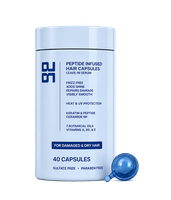
Hydrolyzed keratin in a leave-in hair serum

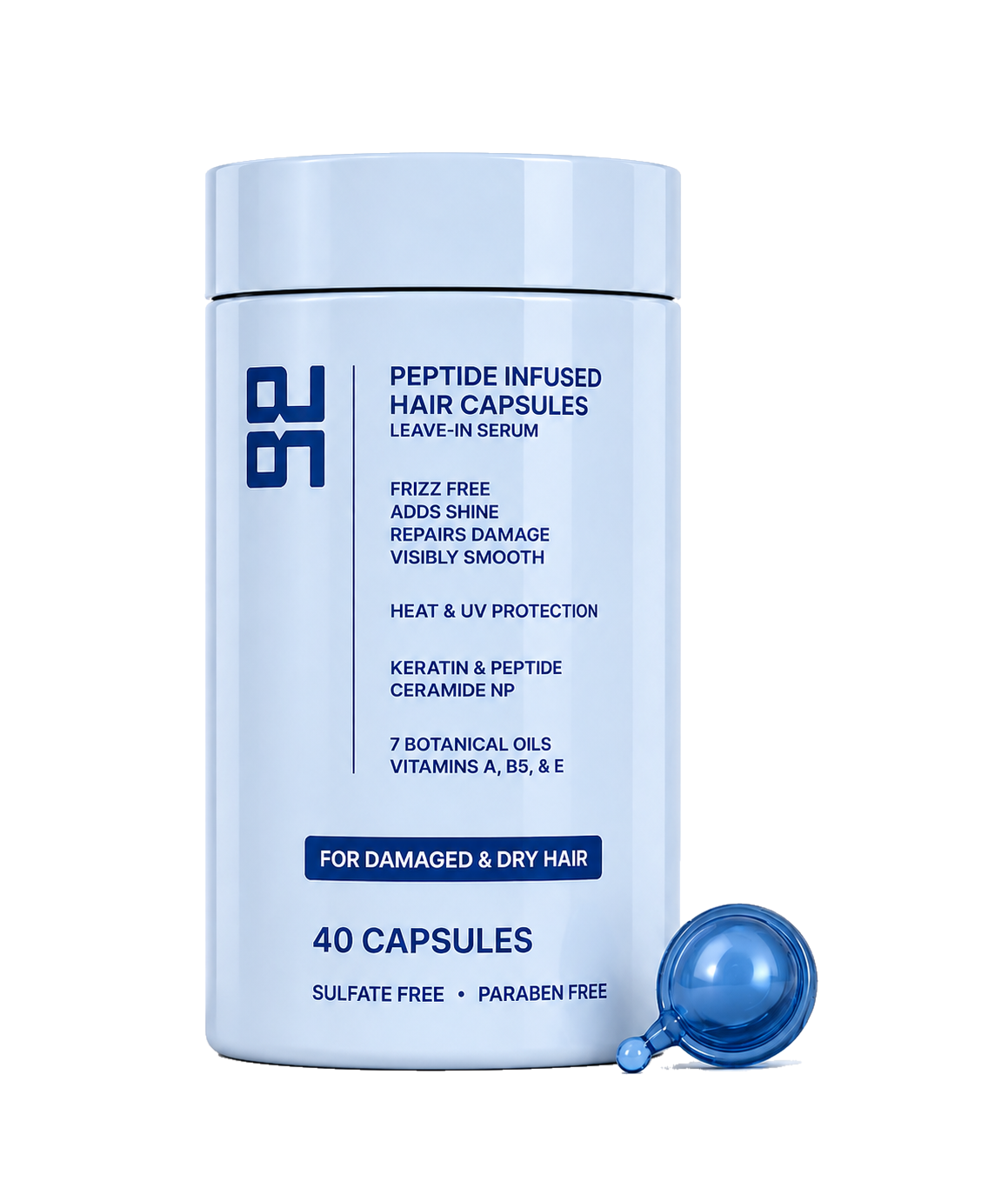
Hydrolyzed Keratin appears in the current ingredient lists for all three Get Glazy bottle formulas. Oligopeptide-1 and Ceramide NP are listed as separate ingredients; these names are not interchangeable.

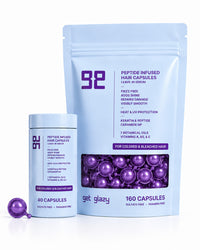
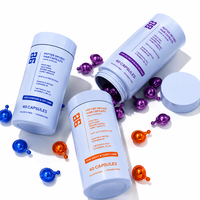
Read the full ingredient list and usage directions for dry and damaged hair, wavy and curly hair, or coloured and bleached hair. A shared ingredient does not make the formulas identical or establish a particular result for the finished serum.

Read the label, then assess the finish

Check the product ingredient list rather than relying only on the word “peptide” on a page. Look for directions that suit your routine and judge whether your hair feels softer, smoother or easier to manage after use.

Start with a small amount of leave-in serum, especially on fine or short hair. More product is not automatically a better result. If the finish feels heavy, reduce the amount or frequency next time.

01Check the full ingredient list on the product.
02Separate ingredient findings from finished-product claims.
03Judge softness, smoothness and the feel of your hair.

Explore the blue serum and its ingredient list, or read our Ceramide NP ingredient guide.

Sources: Hair Cosmetics: An Overview; On Hair Care Physicochemistry. These reviews describe cosmetic ingredients generally; they do not establish results for Get Glazy.
Hydrolyzed proteins in hair care: what they can do
MENTIONED IN THIS ARTICLE
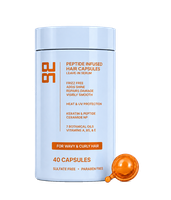
Blue — dry & damaged hair
$24.99
→
3 TAPS · 20 SEC
Find your bottle
Three questions, one formula matched to your hair — no email needed to see it.
Take the quiz →
get glazy
Functional beauty. Leave-in serum capsules for softness, smoothness and shine.
© 2026 GET GLAZY — FUNCTIONAL BEAUTYFREE SHIPPING ALWAYSORDERS@GETGLAZY.COM
LEAVE-IN HAIR SERUM·FREE SHIPPING ALWAYS·FIND YOUR FORMULA·LEAVE-IN HAIR SERUM·FREE SHIPPING ALWAYS·FIND YOUR FORMULA·
Get Glazy1
← BACK TO JOURNAL
INGREDIENTS · 3 MIN READ

By Get Glazy · Updated September 10, 2026

Hydrolyzed proteins in hair care: what they can do

Hydrolyzed proteins in hair care: what they can do

Protein ingredients can help condition hair. Their presence is not proof that a serum permanently rebuilds damaged strands.

Hair cosmetics may contain hydrolyzed proteins: proteins broken into smaller fragments. Reviews of cosmetic science describe how protein-derived ingredients can deposit on hair and contribute to conditioning. Their behaviour depends on factors such as molecular size, the formula and the condition of the hair.

This is more nuanced than saying every peptide travels to a broken bond and repairs it. Ingredient research should be distinguished from testing a complete product at the concentration and application method people actually use.

THE SHORT VERSION
Conditioning can improve the feel and manageability of hair. It does not establish permanent reconstruction of damaged hair.

Hydrolyzed keratin in a leave-in hair serum

Hydrolyzed Keratin appears in the current ingredient lists for all three Get Glazy bottle formulas. Oligopeptide-1 and Ceramide NP are listed as separate ingredients; these names are not interchangeable.

Read the full ingredient list and usage directions for dry and damaged hair, wavy and curly hair, or coloured and bleached hair. A shared ingredient does not make the formulas identical or establish a particular result for the finished serum.

Read the label, then assess the finish

Check the product ingredient list rather than relying only on the word “peptide” on a page. Look for directions that suit your routine and judge whether your hair feels softer, smoother or easier to manage after use.

Start with a small amount of leave-in serum, especially on fine or short hair. More product is not automatically a better result. If the finish feels heavy, reduce the amount or frequency next time.

01Check the full ingredient list on the product.
02Separate ingredient findings from finished-product claims.
03Judge softness, smoothness and the feel of your hair.

Explore the blue serum and its ingredient list, or read our Ceramide NP ingredient guide.

Sources: Hair Cosmetics: An Overview; On Hair Care Physicochemistry. These reviews describe cosmetic ingredients generally; they do not establish results for Get Glazy.

Hydrolyzed proteins in hair care: what they can do
MENTIONED IN THIS ARTICLE
Blue — dry & damaged hair
$24.99
→
KEEP READING
INGREDIENTS · 3 MIN
Ceramide NP, explained
SCIENCE · 5 MIN
Caring for bleached hair: softness, handling and shine
SCIENCE · 4 MIN
Heat styling: protect your hair before you style
ROUTINES · 2 MIN
The 3-step curl routine

Find your bottle

3 TAPS · 20 SEC
Three questions, one formula matched to your hair — no email needed to see it.
Take the quiz →